
What I Believe About Reiki Near the End of Life
August 2026 · 4 min read · By Vanessa Chugani
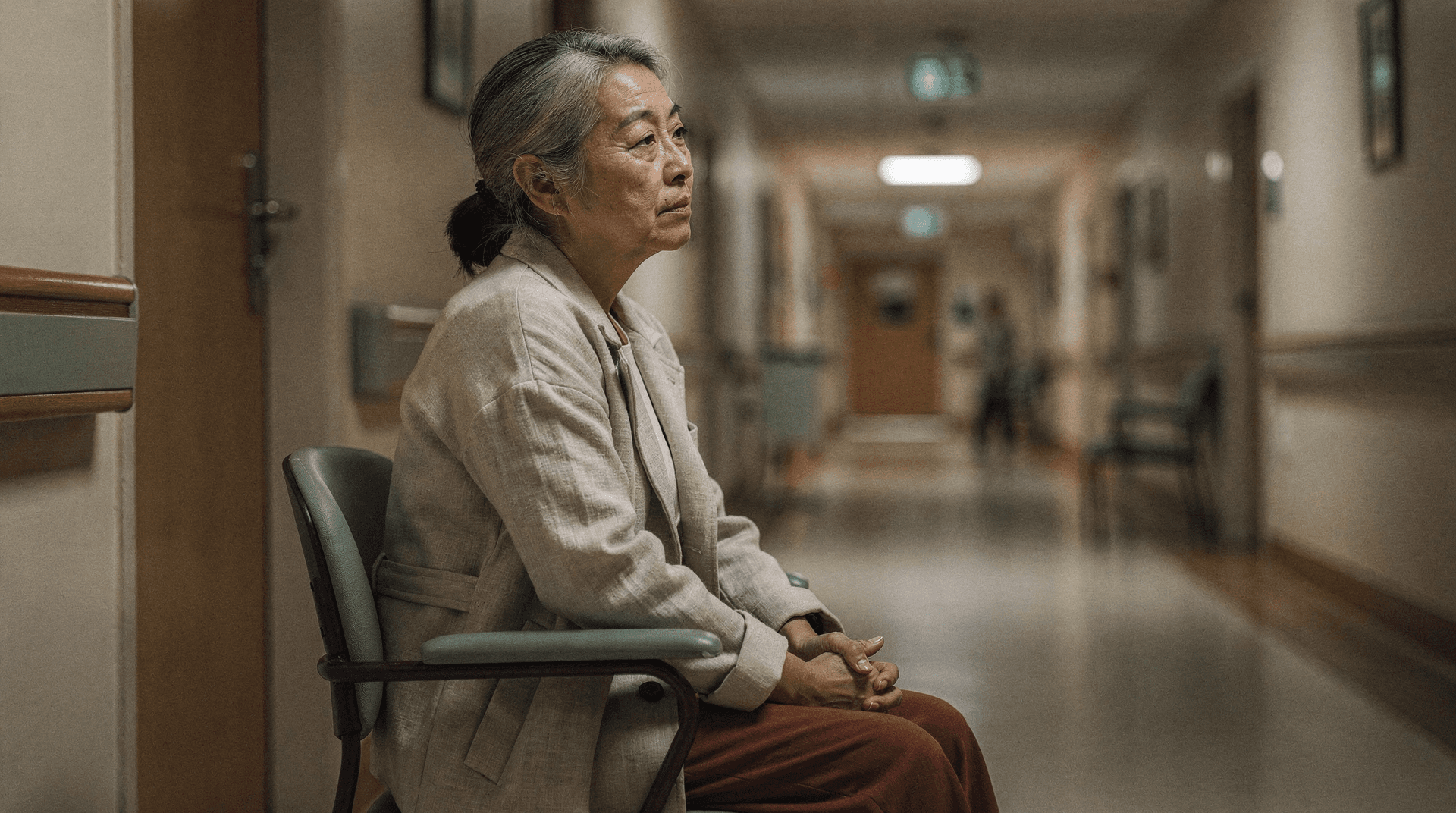
People ask me, when someone they love is close to the end, whether Reiki can help the dying person keep some kind of control: over the pain, over the fear, sometimes over the timing itself. I understand the hope in that question. I do not think it is true, and I think saying yes to it does families a disservice at the exact moment they can least afford to be misled.
What families are really asking for
By the time someone calls me about a parent or a partner near the end, they have usually tried a great deal already. Doctors, medication, second opinions, long nights without sleep. What they are looking for next is often not a treatment at all. It is something that will let the person they love feel less afraid, less at the mercy of what is happening to them. Underneath the question about Reiki sits a much older wish: that dying could be steered, softened into something the person going through it gets some say over. I understand why. I have sat with that wish myself, in my own family.
Why I will not promise control
I will not tell anyone that Reiki gives a dying person back control, because it does not, and because that word carries a weight it cannot bear. Reiki here is rest and support. It is not a treatment for dying, it does not slow it down or speed it up, and it does not change how someone's death unfolds. Nobody in the room, including me, gets to decide that. A practitioner who implies otherwise is trading on a family's fear at the worst possible moment, and I think that is a serious thing to get wrong. I would rather someone hear a plain no from me now than a soft, hopeful maybe that falls apart later, when there is no room left to absorb disappointment.
What is actually on offer
What I can offer instead is calm presence. That sounds like less than control, and it is, but it is also real and it is not nothing. I sit with someone, my hands resting near them or on them, without trying to fix what is happening or hurry it along. People often become quieter. Breathing that was shallow and fast settles into something slower. A body that has been braced for weeks softens, even if only for the length of a visit. Families have told me afterwards that the person seemed less alone with what was happening, and that they themselves felt steadier simply being in the room while it happened. I take those as things people noticed, not as proof of what Reiki did, because I do not know that, and I am not willing to claim I do.
Sometimes the person who most needs that calm is not even in the room. A daughter in another country, waiting by her phone for the next update, unable to book a flight in time. A distance session will not change what is happening to her father, and I say that plainly before we begin. What it can do is give her twenty minutes to sit down, put the phone face down, and stop bracing for the next call. That is not control either. It is company, held at a distance, and I think it matters that I tell her exactly what it is before she books it.
Why the honest version matters
I think overstating what happens near the end of life is one of the least kind things a practitioner can do, because families carry every word they were told during that period for the rest of their lives. If I let someone believe that a session had given their mother some say over how her death would go, and then it did not go peacefully, I would not just have failed to deliver on a claim. I would have made an already devastating loss feel like it went wrong somehow, or that they had not done enough. Grief carries plenty of that on its own. I am not going to add to it with something I said in a treatment room.
So when someone asks me whether I can give a dying person control, I say no, and then I tell them what is actually on offer. A session near the end of life looks like sitting quietly beside someone, hands still, nothing performed and nothing promised. More than one family has told me that the hour helped them nearly as much as it helped the person dying, because someone else was holding a small piece of the room and they did not have to hold all of it alone for a while. That is not a small thing. I am simply not willing to call it more than it is.