
The worth tangled up in usefulness
October 2026 · 4 min read · By Vanessa Chugani
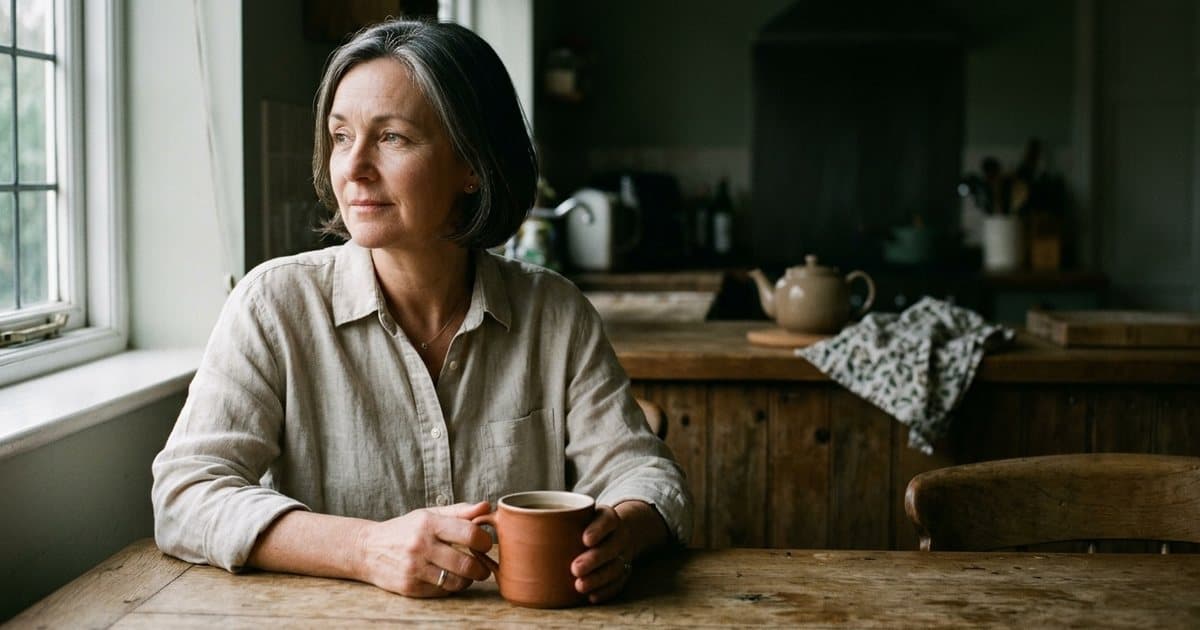
I see the same pattern often: a woman who can tell you everyone else's blood pressure, exam schedule and favourite way to be comforted, and goes faintly blank when asked how she is. She is usually fine. She has made herself very good at being fine, because being fine is useful, and somewhere back along the way she worked out that usefulness was what kept her wanted. Nobody set out to build a life around that equation. It just adds up, year after year, until being needed and being worth something quietly become the same sentence.
Where the wiring comes from
Nobody sits a girl down and tells her that her worth depends on what she does for other people. It arrives sideways: praise lands on being helpful before it lands on anything else, there is a quiet relief in the room when she manages something nobody asked her to manage, and love starts to feel easier to earn than to simply have. By the time she is forty or fifty, this has hardened into a kind of permanent employment she never applied for and cannot resign from, because the role and the person have become the same thing.
It tends to show up hardest at the turning points: after a career ends, after the children stop needing her in the same way, after a divorce, after a loss. The usefulness that used to fill a whole day loses its shape, and what is left underneath it is a woman asking, often for the first time since she was young, who she is when nobody needs anything from her right now.
What goes missing first
The strange part is what disappears first. It isn't her competence, which tends to stay sharp right until it doesn't. What goes is smaller and easier to miss: a preference for one song over another, an honest answer to a simple question about how her week actually went, an appetite for anything beyond whatever is quickest to make. Her attention has pointed at everyone else's needs for so long that she loses the practice of noticing her own. Ask her what she actually wants for dinner and watch how long it takes her to answer.
The body tends to say it first: a jaw that will not unclench, shoulders that have inched up towards the ears and stayed there. These are not separate problems sitting alongside the exhaustion. They are the exhaustion, worn in a body that has not put anything down in years, and it is usually a long way past the point described in when people tend to come.
Being useful is not the same as being well
Being useful and being well are not the same thing, though it is easy to confuse one for the other for years at a stretch. A woman can run a household and a career, and carry everyone else's emotional weather on top of both, with real skill, and still be running on empty underneath it the whole time. Usefulness measures what she does. It says nothing about whether anyone, including her, is paying attention to what she actually needs. Worth that depends entirely on output is worth with no floor under it: the moment she stops producing, for illness, for grief, for simple tiredness, the sense of being valuable goes missing along with the task list.
Caring for other people well is not the problem. The problem is that her sense of mattering clocks off on the days she isn't producing anything for anyone, including herself.
What rest actually gives back
This is the territory Reiki works in: no big fix, just an hour where nobody needs anything from her and her nervous system is finally allowed to notice that. People who come for a session often describe sleep that finally comes properly, a body that settles enough to stop gripping, an appetite coming back, and feeling less alone with whatever they walked in carrying. It is not a treatment for any medical condition. It is what tends to happen when a body that has been running hot for a long time is given a genuinely safe place to stop.
Coming back into her own life does not mean giving up being capable. It starts smaller than that: a few minutes where the question is not what does everyone else need, but what does my own body feel like right now. Most women who ask that honestly for the first time in years are surprised by how plain the answer turns out to be.