
Self-practice doesn't need an altar
October 2026 · 3 min read · By Vanessa Chugani
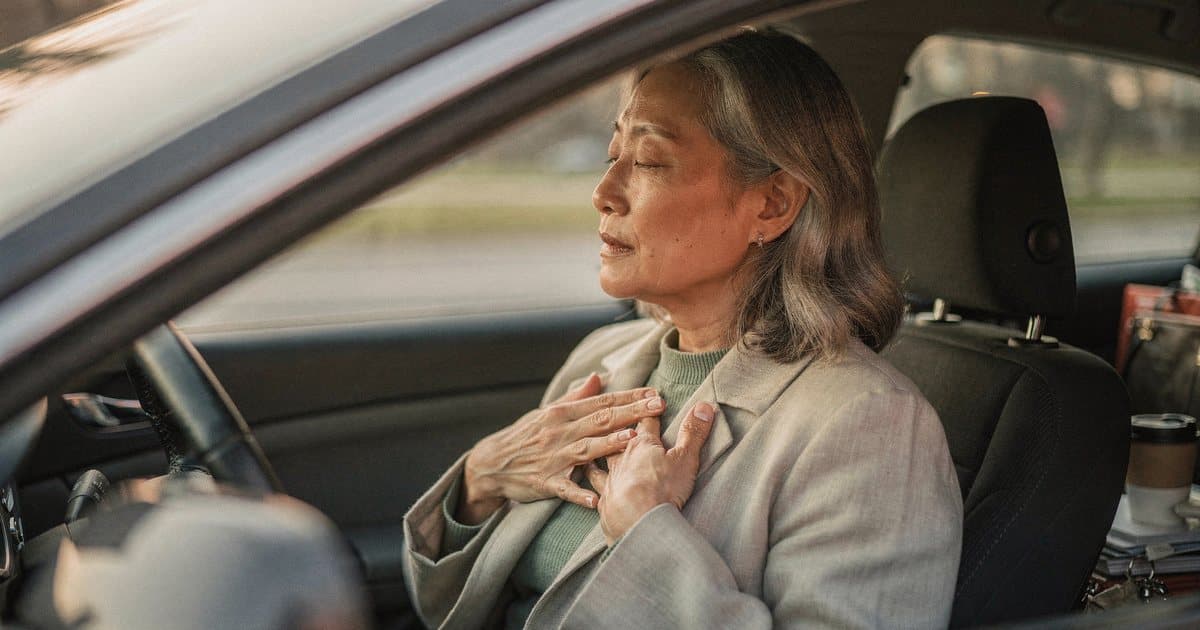
Many people picture self-practice as a quiet room, a candle, twenty minutes before bed, and hands moving through a sequence in order. That version often stops happening quickly, and it is easy to file it under not being disciplined enough to keep up. They are not short on discipline. They were practising a scene that was never going to survive an ordinary week.
The ritual version is the first thing to go
A twenty-minute evening ritual needs a particular kind of night: nobody needs you, the room is free, and you remember the candle before you remember the washing up. Most weeks do not hand you that evening even once, and they certainly do not hand it to you seven times running. The first missed night feels like a slip. By the third, it has usually become evidence of failure rather than a sign that the plan was wrong.
I teach self-treatment in Level 1 of the Usui Shiki Ryoho training I run in Canggu, and I say the same thing to every group: the version you are picturing right now is not the one that will still be running in a year. The one that lasts is smaller than most people think is worth bothering with.
It was never about discipline
When a self-practice drops away, the usual explanation is that the person did not want it enough, or could not stick to anything, or is too busy to be the sort of person who meditates. None of that is what happened. What happened is that the plan only worked under conditions that rarely occur: an empty evening, a private room, the right mood. A habit built on rare conditions is not a habit, it is a wish with a schedule attached.
A self-practice that survives is usually built for ordinary days, not for rare perfect evenings. It does not need the evening to cooperate.
What actually holds up
The version that holds is both hands resting on the chest, done at a red light, while the kettle boils, in the gap between parking the car and walking inside. Two minutes, sometimes less. No altar, no music playing, coat often still on.
Hands on the chest is one of the plainest positions taught in training, which is exactly why it travels. You do not need to lie down for it. You do not need quiet, or privacy, or a particular time of day. You need your own hands and somewhere ordinary to rest them.
A nervous system that has been running hot all day does not need a ceremony to settle, it needs a signal repeated often enough that the body starts to recognise it. Two minutes at a red light, done three times a week, reaches the body more often than twenty minutes that happens twice a month. Frequency does the work that length usually gets credit for.
With a small daily habit, the hands-on-chest pause can start to feel automatic in ordinary gaps in the day.
Carry it, do not stage it
If evenings keep not cooperating, the fix is not a better evening. It is a smaller moment you already pass through several times a day: hands on the chest in the car, on the sofa before the news comes on, at the desk before the laptop opens. None of it needs to resemble a session, and none of it needs anyone's permission to count.
This is also why I would rather a student arrive at training expecting the unglamorous version from the outset, rather than discover it later as a disappointment. If the daily habit still will not fit your week while you find your footing, a proper session does the same work in the meantime.
Hands on your chest for two minutes, done on most days, already counts.