
Fight-or-flight is a response, not a lifestyle
October 2026 · 4 min read · By Vanessa Chugani
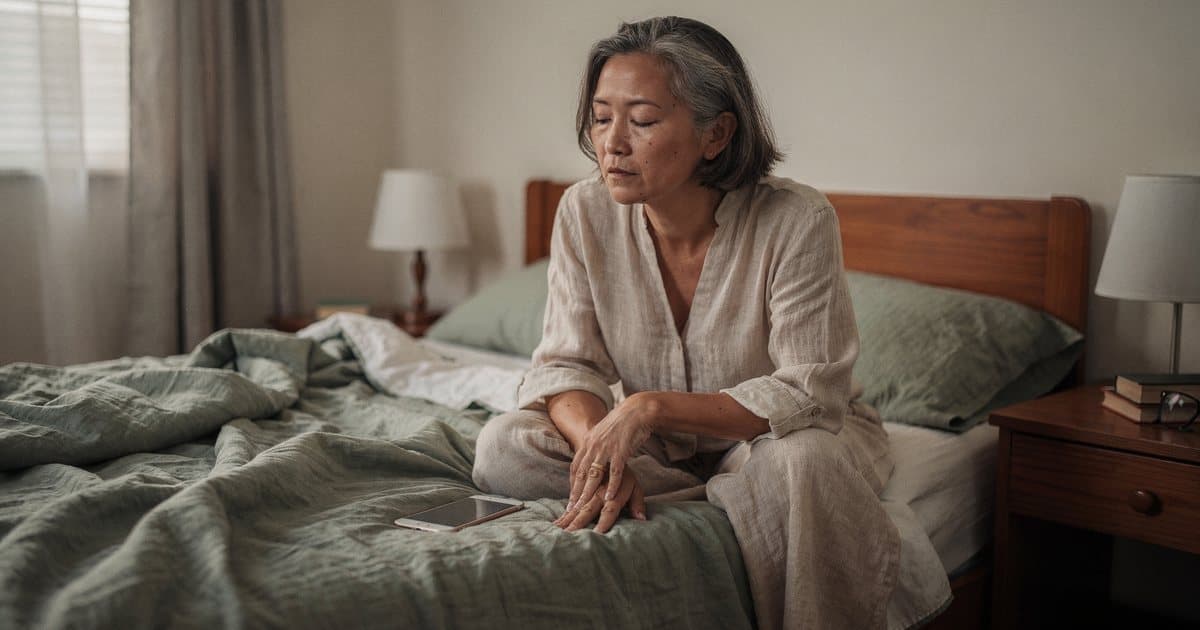
Many people arrive describing stress as a fixed part of who they are, not only what they are going through this month. Not busy this month, not going through something hard right now, but stressed as a fact about who she is, the way she might mention she's short, or left-handed, or doesn't like coriander. It sounds like self-awareness. It is actually the opposite.
A response mistaken for a trait
Fight-or-flight is not a personality. It's a physiological state: the sympathetic nervous system firing because the body has decided, correctly or not, that something needs dealing with right now. Heart rate up, breath shallow and high in the chest, digestion paused, muscles primed to act. None of that means anything has gone wrong. It means the body is doing exactly what it was built to do, for exactly as long as it was built to do it. The whole design depends on it switching off once the threat has passed, so the body can go back to rest, digestion and sleep.
The trouble starts when it doesn't switch off, and the longer it runs, the more it starts to feel like a fixed feature rather than something the body is doing. A state has an edge to it, a before and an after. A trait doesn't. Describe yourself as a stressed person and you've quietly moved something time-limited into something permanent, which is exactly backwards from what's actually happening in your body.
What it looks like when the switch stays on
People rarely arrive describing fight-or-flight. They describe the jaw that won't unclench, shoulders that live somewhere near the ears, a stomach that grips before anything has gone wrong yet. They mention being wide awake at 2am for no reason they can name, or worn out by mid-afternoon despite having done very little. Ask what triggered it and the honest answer is often nothing in particular: a nervous system that has been on alert long enough stops waiting for a reason. None of that sits next to the stress as a separate problem. It is the stress, worn on the body, because the nervous system has been running on alert for longer than it was built to.
- A body on alert spends its energy on vigilance, not on digestion, repair or sleep.
- The tiredness that follows isn't laziness. It's the bill for running on alert this long.
Much of what gets handed to a massage therapist as a tight muscle is this same thing, showing up somewhere specific. For the difference between the two, see Reiki compared with massage.
Why the label you use matters
This is where the personality framing does its real damage. If stress is who you are, there's nothing to do about it beyond managing symptoms, because you can't fix a personality. If it's a state your nervous system has been stuck in, it can move, because states move. That one shift in language is the difference between booking the same complaint every year and addressing what's underneath it. It also changes what you ask for when you walk in the door: relief from a trait sounds like a tall order, while helping a state come back down sounds like something that can actually be done this afternoon.
A 2022 review in Frontiers in Psychology, covering fourteen placebo-controlled trials, rated the evidence high for clinically relevant stress and depression, and moderate to high for clinically relevant anxiety, though its own authors still call the findings inconclusive. The effect turned up in people who were genuinely struggling, not in people who were already doing fine.
Moving it from permanent to current
Reiki here is rest and support for a nervous system that has forgotten how to come back down on its own. It isn't a treatment for any medical condition, and it won't diagnose what's underneath the stress. What it offers is the chance for the body to remember that an "off" switch exists, which for some people is the first time in years anything has reminded it.
If this sounds familiar, this is usually when people tend to come. Some notice a difference after one session. Others pair it with a quieter mind in general, covered in meditation when the mind will not settle, or go further and learn the practice themselves through training.
A 2025 review of eleven randomised trials, 661 people in total, found sessions of an hour or more worked best, and so did having eight or more of them. That is the actual argument for coming back more than once, not a story about personality at all.